Kentucky Window Tint Laws: Navigating Luxury Vehicle Compliance | ROS Group Protection Studio
Kentucky window tint law, Louisville window tint, XPEL window tint Louisville
Kentucky Window Tint Laws & Real-World Choices for Louisville Luxury Owners
If you drive a high-end vehicle in Louisville and are considering window tint, understanding Kentucky window tint law is just as important as choosing the film itself. This guide walks you through legal limits by window, how those rules apply in the real world, and the tint setups luxury owners actually run on the streets of Louisville.
The Basics: Kentucky Tint Legal Limit by Window
Kentucky regulates tint using Visible Light Transmission (VLT)—the percentage of light that must pass through the glass and film together. Here is how the current window tint percentage Kentucky rules break down for most drivers:
- Front side windows (driver and passenger): must remain at or above 35% VLT. This is the core Kentucky tint legal limit most drivers ask about.
- Windshield: Kentucky allows only a non-reflective strip above the AS‑1 line. That strip must stay light enough to maintain visibility and cannot be mirrored or overly reflective.
- Rear and back windows (passenger cars): for the purposes of this guide, treat them as having no practical restriction compared with the front. In day-to-day Louisville enforcement, the focus is overwhelmingly on the front side windows and windshield strip.
SUVs and multipurpose vehicles have slightly different allowances in the statute, but for most Louisville luxury sedans, coupes, and crossovers, the key is straightforward: keep the fronts at 35% and use a legal strip on the windshield. Everything else is about smart film choice and professional installation.
How Kentucky’s Updated Windshield Rules Affect You
Recent updates to Kentucky window tint law opened the door for more windshield protection, but Louisville drivers still need to be cautious. While the law now allows very light tint across more of the windshield in some cases, enforcement still centers on the non-reflective strip above the AS‑1 line. That strip is where most owners choose to stay, keeping glare down while avoiding unwanted attention from law enforcement.
Why XPEL XR Black and XR Plus Are Kentucky-Legal Choices
At ROS Group Protection Studio, the focus is on one brand only: XPEL window tint. For Louisville drivers who want a legal window tint Kentucky setup that still performs like a premium upgrade, two films stand out:
- XPEL XR Black: a ceramic film that offers strong UV and infrared rejection with a rich, factory-style look.
- XPEL XR Plus: XPEL’s flagship nano-ceramic film, designed for maximum heat rejection with minimal signal interference—ideal for modern vehicles packed with sensors and connectivity.
Both XR Black and XR Plus are fully Kentucky-legal when applied at the correct VLT. The film itself is not what makes a car illegal; the combination of film and glass must meet the state’s VLT requirements. ROS technicians meter glass before and after installation to confirm compliance, ensuring 100% legal installs every time.
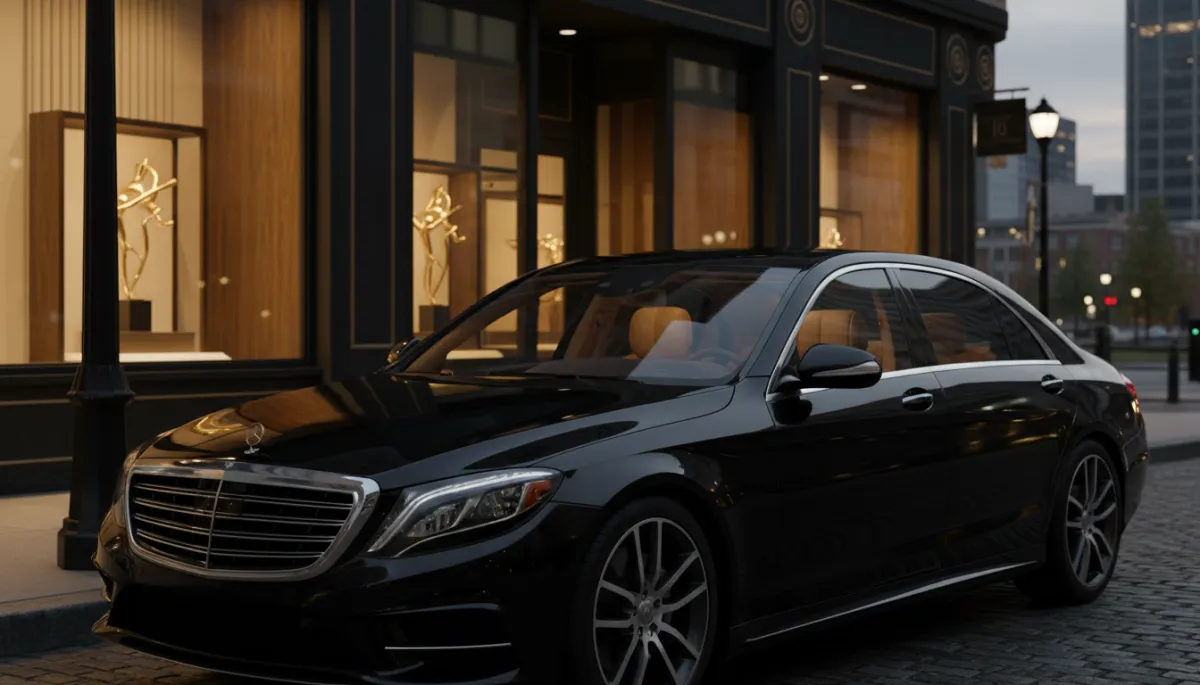
Louisville luxury owners pair 35% fronts with darker rears for a legal, cohesive look.
UV, Heat, and Why Darkness Is Only Half the Story
Anyone who has parked at Oxmoor Center in July knows how intense Kentucky summers can be. UV levels are high, cabin temperatures spike quickly, and leather, Alcantara, and carbon trim suffer over time. The common misconception is that darker always means cooler. In reality, with modern films, quality tint blocks UV regardless of darkness.
XPEL XR Black and XR Plus both block over 99% of harmful UV, even in lighter shades like 35% or 50%. For heat comfort, the real number that matters is infrared (IR) rejection, not just VLT. The XR series is engineered specifically for IR control, so a legal 35% front window in XR Plus can outperform a much darker, cheap dyed film when it comes to keeping your cabin cool.
What Louisville Luxury Owners Actually Choose
ROS Group Protection Studio works daily with Porsche, BMW, Range Rover, Tesla, Mercedes, and exotics at their Louisville facility at 9801A Taylorsville Rd, Louisville, KY 40299. Across those platforms, a clear pattern has emerged among owners who want a refined, Kentucky-legal setup:
- Front side windows:35% VLT in XPEL XR Black or XR Plus. This keeps the car squarely within the legal window tint Kentucky limit while still giving a noticeable, upscale tint.
- Rear side and back windows: typically 20%–15% VLT, depending on the vehicle and owner preference. On passenger cars, this creates a tasteful gradient from front to rear without compromising rear visibility at night.
That combination—35% front, 20–15% rear—delivers the dark, premium aesthetic luxury owners expect while respecting how Kentucky law is actually enforced on the road. It also photographs exceptionally well, which matters to many clients who attend events, cars and coffee meets, or list vehicles for sale later.
Why Professional, Law-Savvy Installation Matters
Kentucky treats illegal tint as more than a cosmetic issue. Violations can lead to fines, inspection failures, and repeat trips to have film removed and replaced. That is why working with a shop that understands both Louisville window tint trends and the letter of the law is essential.
ROS Group Protection Studio installs XPEL window tint exclusively, uses calibrated meters, and follows state labeling requirements so that every car leaving 9801A Taylorsville Rd is fully documented and compliant. The result: you get the look, comfort, and privacy you want, backed by a process designed around Kentucky law—not guesswork.
Choosing the Right Legal Setup for Your Kentucky Vehicle
If you are researching Louisville window tint options before booking an appointment, start with three questions:
- What is my vehicle type and how does Kentucky window tint law apply to it?
- Do I want maximum heat rejection (XR Plus) or a more subtle upgrade (XR Black)?
- How dark do I want the rear compared with the 35% legal front?
From there, a law-savvy installer can recommend a configuration that fits your driving habits, parking situation, and sensitivity to heat and glare—without risking a ticket or compromising the technology in your car.
For Kentucky drivers—especially those in high-end vehicles—tint is no longer just about how dark you can go. It is about precision: the right film, the right VLT, installed the right way. When you balance those factors, you get a cabin that stays cooler, an interior that ages gracefully, and a vehicle that remains fully compliant with Kentucky tint legal limit standards for years to come.


